
|
|
|
|
|
|
|
|
|

|

photo by Powellville Volunteer Fire Company |
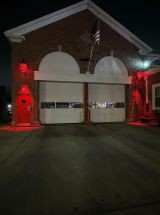
photo by Catonsville FD |
|
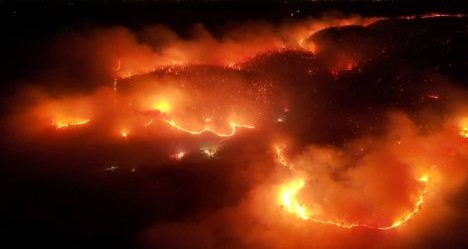
photo by Washington County Division of Emergency Services |

photo by Tighman Island VFC |
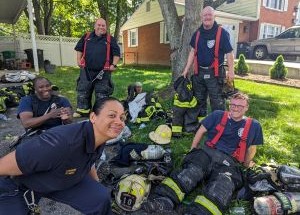
photo by Laurel Volunteer Fire Department |
|
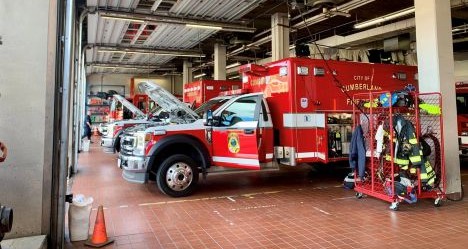
photo by Cumberland Fire Department |
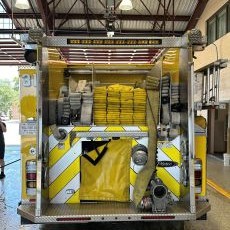
photo by Bay District VFD |
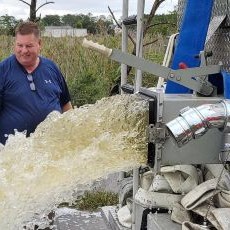
photo by Church Creek VFC 46 |
|
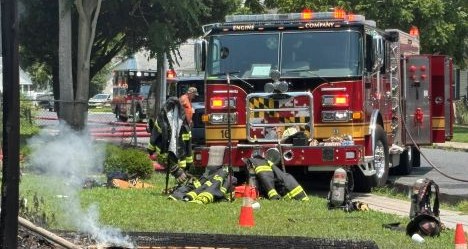
photo by Hebron Volunteer Fire Department |

photo by Secretary Volunteer Fire Company |
Financial and other assistance
Maryland residents with wildfire damage may be eligible for FEMA assistance to help cover costs such as paying for essential items, finding a place to stay, replacing personal property, or making basic home repairs. You can apply:
Online by visiting https://www.disasterassistance.gov
By calling 1-800-621-3362
Through the FEMA App
If you have insurance, file a claim as soon as possible and be ready to provide your coverage information when applying to FEMA.

If you have any information to add to this section, please email us at support@gumsnroses.com |
|
|
|
 |

|

|

|
 |

|

|

|

|

|

|

|

|

|

|

|

|

|

|

|

|

|
|
|

photo by Williamsport Volunteer Fire EMS |
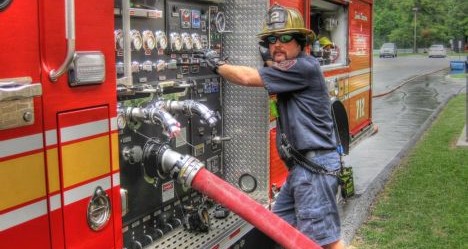
photo by Montgomery County Fire Rescue Service |

photo by Sharpsburg Volunteer Fire Company |
|
|
| from the MARYLAND DEPARTMENT OF NATURAL RESOURCES
FOREST SERVICE
|
Learn the Facts About Fire Behavior in Maryland
Wildfire Statistics
Wildfires are a common occurrence in Maryland. In an average year, the Maryland Forest Service responds to an average of 123 wildfires that burn more than 1,780 acres of forest, brush, and grasses. Fire departments respond to over 5,000 wildfire incidents per year.
While some wildfires in Maryland can burn hundreds or even thousands of acres, most are smaller in size, burning less than 10 acres. Even these smaller wildfires can threaten lives, homes, other structures, and our natural resources. Each year hundreds of homes and structures are threatened, and dozens are damaged or destroyed by wildfires.
Fire Season
Wildfires occur in every month in Maryland, but peak in the spring and fall. During these seasons the leaves are off the deciduous trees, allowing sunlight and wind to reach the forest floor and dry the forest fuels. The relative humidity of the air is also drier and, combined with a breeze, creates the conditions for wildfires to spread rapidly.
Wildfire Causes
Wildland fire close to a house
The only natural cause of wildfires is lightning, and this accounts for only 4% of the wildfire ignitions in Maryland. The remaining 96% of wildfires are caused by humans. Maryland’s leading cause of wildfires is improper debris or outdoor burning that ignites an average of 35% of the fires each year. Arson, the second leading cause, accounts for around 30% of ignitions. Other causes include: equipment use, children playing with fire, smoking, campfires, railroads, and other miscellaneous ignitions from sources such as downed power lines, discarded ashes, and fireworks.
The Wildland-Urban Interface
A wildfire is an even greater challenge when it threatens homes and other structures. The zone where homes are built in or near the forest is called the Wildland-Urban Interface (WUI). The number of homes built in the WUI in Maryland has increased dramatically in recent years.
Since 96% of wildfires are caused by people, wildfire ignitions are also more common in these Wildland-Urban Interface zones. Considering all factors, wildfires can be a significant threat in Maryland. Homes and other structures intermixed with wildland fuels are at risk, and WUI residents need to take actions to protect themselves and their property.
Fire Behavior
Most wildfires in Maryland are surface fires, which burn fallen leaves, twigs, and debris on the ground. Under this fallen debris is often a layer of partially decomposed leaves and humus, called “duff.” During dry periods, fires can burn underground in this duff layer, and be very difficult to extinguish. These duff fires can burn for weeks, or even months, and cause smoke issues. The intensity of wildfires increases greatly in areas of dense fine fuels, such as grasses, or dense resinous fuels, such as mountain laurel shrubs or evergreen trees.
In these areas, wildfires can spread rapidly and burn with amazing intensity. Maryland rarely experiences active crown fires - wildfires that burn in the tree canopy. However, crown fires can occur in dense stands of evergreen trees during times of very dry and windy weather.
|
|
|
 |
|
|